Creating a calm and peaceful environment at home often begins with the colors you choose for your walls and decor. Colors have a powerful impact on our mood and can either energize or soothe us. If you want your home to feel like a tranquil retreat, selecting the right calm colors is essential. This guide will help you understand how to choose colors that promote relaxation and harmony in your living space.
Why Choose Calm Colors?
Calm colors are typically soft, muted, and easy on the eyes. They help reduce stress, improve focus, and create a welcoming atmosphere. Whether you’re redesigning your entire home or just updating one room, calm colors can make your space feel more comfortable and inviting.
Popular Calm Color Families
Before we dive into tips, here are some common color families known for their calming effects:
– Blues: Soft blues evoke a sense of tranquility, often reminding us of the sky or ocean.
– Greens: Gentle greens bring nature indoors and create a feeling of balance and renewal.
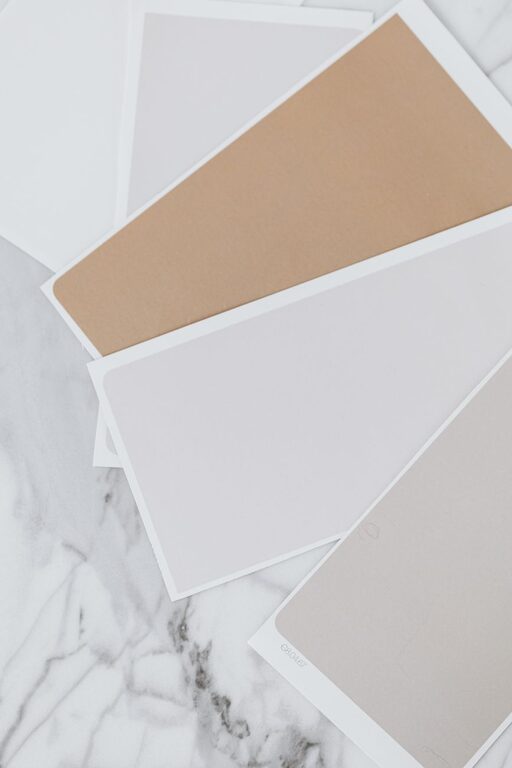
– Neutrals: Shades like beige, taupe, and soft grays offer a subtle backdrop that can calm the mind.
– Pastels: Light pinks, lavenders, and pale yellows add a soft touch without overwhelming the senses.
Tips for Choosing Calm Colors
1. Consider the Room’s Purpose
Think about how you use each room. Bedrooms and bathrooms benefit from soothing colors like soft blues or greens to help you unwind. Living rooms and kitchens might do well with neutral shades paired with muted accent colors to keep energy balanced without overstimulation.
2. Test Colors in Natural Light
Colors can look very different depending on lighting. Paint small swatches on your walls and observe them at different times of the day. Natural daylight shows the true color, while artificial lights can change its tone.
3. Use a Color Palette
Choose a palette of two to four colors that work well together. Combining a calm base color with one or two complementary shades can add interest while maintaining a relaxed feel. For example, pair soft gray with pale blue and cream for a cohesive look.
4. Opt for Matte or Satin Finishes
Glossy paints can reflect light harshly, which may disrupt the calm atmosphere. Matte or satin finishes absorb light softly, enhancing the gentle nature of calm colors.
5. Incorporate Natural Elements
Colors inspired by nature tend to be inherently calming. Look to sandy beiges, soft mossy greens, or sky blues for inspiration. Incorporating plants or natural wood tones alongside these colors can boost the peaceful vibe.
6. Avoid Overwhelming Brights and High Contrast
Bright or highly saturated colors can increase energy levels and may feel too intense for spaces intended for relaxation. Similarly, high contrast color schemes can be visually stimulating. Stick with soft tones and low contrast to maintain calmness.
7. Use Color Psychology as a Guide
While personal preference is key, understanding basic color psychology can help:
– Blue: Promotes peace and calm.
– Green: Represents balance and harmony.
– Lavender: Encourages relaxation.
– Beige and Gray: Neutral and grounding.
8. Balance Color with Texture and Light
Color is only one component of a room’s feel. Balance calm colors with cozy textures like soft rugs, cushions, and curtains. Use lighting thoughtfully—soft lamps or dimmable fixtures complement calm colors beautifully.
Calm Color Ideas for Different Spaces
Bedroom
Soft blues, muted greens, or gentle lavender can help create a restful retreat. Pair with white or cream bedding and warm wood furniture.
Living Room
Light grays or beige walls combined with pastel accents offer a neutral and inviting setting. Add plants and natural textiles to enhance the calm atmosphere.
Bathroom
Pale aqua or seafoam green evoke freshness and relaxation. Use white or light-colored tiles to keep the space airy and clean.
Kitchen
Cool gray cabinets with soft white walls create a balanced and calm environment. Touches of muted yellow or sage green can add warmth without overstimulation.
Final Thoughts
Choosing calm colors for your home is about creating a space where you feel comfortable and relaxed. Pay attention to natural light, use soft finishes, and consider the emotional effects of colors. With thoughtful planning, your home can become a serene haven perfectly suited to your lifestyle.
Remember, the goal is to select colors that resonate with you and enhance your sense of well-being. Take your time, experiment, and enjoy the process of transforming your space into a calm and inviting home.
About the Author