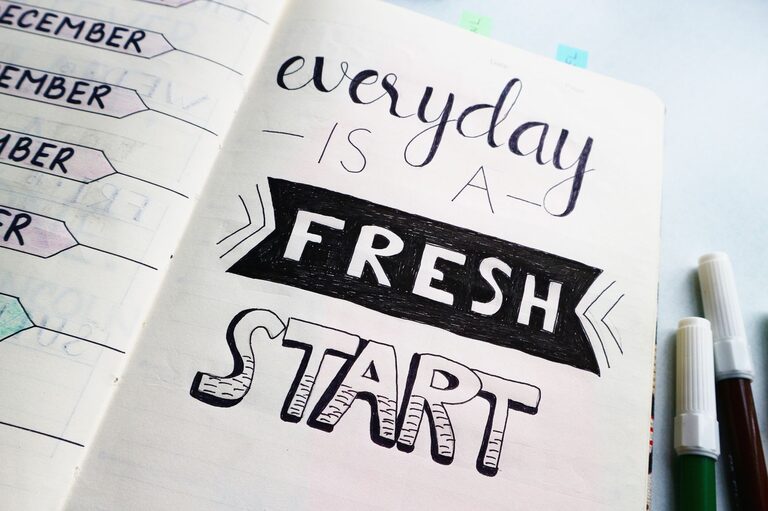

In our busy lives, it’s easy to get caught up in daily tasks and lose track of our overall wellbeing and goals. One effective way to stay balanced and productive is by establishing a weekly reset routine. This routine acts as a fresh start, allowing you to reflect on the past week, organize your schedule, and set intentions for the week ahead. Whether you want to improve your mental clarity, boost energy, or simply feel more in control, designing a weekly reset routine can help you achieve that.
In this post, we’ll walk through what a weekly reset routine is, why it’s beneficial, and how to design one that fits your lifestyle.
What Is a Weekly Reset Routine?
A weekly reset routine is a dedicated time each week to pause, reflect, and prepare for the upcoming days. It’s an intentional practice that helps clear mental clutter, organize your space, and set priorities. Unlike daily routines, which focus on everyday habits, a weekly reset is broader and more reflective, usually taking place once a week, such as on Sunday evening or Monday morning.
Benefits of a Weekly Reset Routine
– Improves productivity: Helps you plan your week clearly, reducing stress and last-minute rushing.
– Enhances mental wellbeing: Offers time to reflect on accomplishments and challenges, promoting mindfulness.
– Encourages better habits: Reinforces positive habits and gives space to adjust what’s not working.
– Creates consistent structure: Provides regular checkpoints to keep you aligned with your goals.
– Boosts motivation: Helps you start the week feeling refreshed and purposeful.
Steps to Design Your Weekly Reset Routine
1. Choose a Consistent Day and Time
Select a day and time when you’re least likely to be interrupted. For many, Sunday evening works well as it prepares you mentally for Monday. Others may prefer Monday morning to start the week fresh. The key is consistency; doing your reset at the same time helps build a habit.
2. Reflect on the Past Week
Start by reviewing your previous week with honest reflection. Ask yourself:
– What went well this week?
– What challenges did I face?
– Did I accomplish my goals?
– How did I feel physically and emotionally?
Consider keeping a journal or notes to track these reflections over time. This will help identify patterns and areas for improvement.
3. Declutter and Organize Your Space
A clean and organized environment supports a clear mind. Spend 10–15 minutes tidying up your work area, home, or digital space. This could include:
– Sorting through emails and deleting unnecessary ones
– Clearing your desk or workspace
– Organizing files or apps on your phone or computer
Creating a calm and neat space makes it easier to focus during the week.
4. Plan Your Week Ahead
Use this time to outline your main tasks, appointments, and goals for the upcoming week. You can use a planner, digital calendar, or task management app. Consider including:
– Work deadlines or meetings
– Personal appointments or errands
– Self-care activities like exercise or relaxation time
– Social or family commitments
Break larger goals into smaller actions to make them manageable.
5. Set Intentions and Priorities
Beyond scheduling, set clear intentions for how you want your week to feel. This might include:
– Staying mindful and present in your activities
– Being more patient with others
– Prioritizing health and rest
Write down these intentions to remind yourself throughout the week.
6. Prepare for a Healthy Start
Include small rituals that promote wellbeing and energy. For example:
– Planning your meals or grocery list to ensure balanced nutrition
– Choosing your clothes or preparing your bag for the next day
– Setting a bedtime routine to promote restful sleep
These preparations reduce morning stress and support good habits.
7. Add a Relaxation or Reward Activity
End your weekly reset with something enjoyable or relaxing. This could be:
– Reading a book or listening to music
– Practicing meditation or gentle stretching
– Taking a walk outdoors
– Enjoying a favorite treat or hobby
Adding a positive activity signals to your brain that this time is for self-care.
Sample Weekly Reset Routine (Approximate 30–45 Minutes)
- **Reflection (5–10 minutes):** Write or think about last week’s highlights and challenges.
- **Decluttering (10 minutes):** Clean your desk, clear your email inbox.
- **Planning (10–15 minutes):** Schedule appointments, to-dos, and set weekly goals.
- **Set Intentions (5 minutes):** Write down how you want to approach the week.
- **Prepare & Relax (5–10 minutes):** Organize items for tomorrow and engage in a calming activity.
Tips for Success
– Start small: Your first routine doesn’t have to be long or perfect—build gradually.
– Be flexible: Adjust your routine as needed to fit changes in your schedule or priorities.
– Make it enjoyable: Incorporate things you like to keep motivation high.
– Use reminders: Set alerts or calendar events to help you remember your reset time.
– Track your progress: Note improvements in mood, productivity, or stress over weeks.
Conclusion
Designing a weekly reset routine is a simple yet powerful way to take control of your time and wellbeing. By dedicating a small amount of time each week to reflect, organize, and plan, you can reduce overwhelm and start each week feeling refreshed and focused. Remember, the best routine is one that fits your lifestyle and feels sustainable, so take the time to personalize it and enjoy the positive impact it brings. Give it a try this week—you might find it becomes your favorite ritual!
About the Author