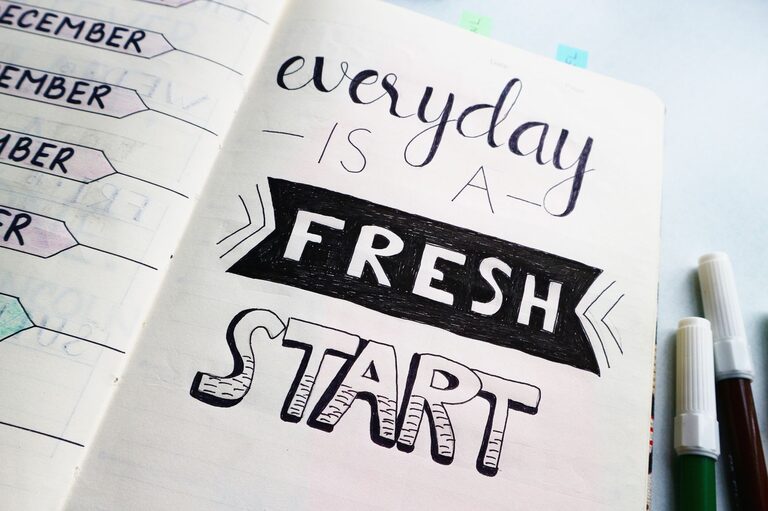

Journaling is a simple yet powerful tool that can help improve your mental clarity, boost creativity, and track your personal growth. Whether you want to document your daily thoughts or set goals, journaling offers a private space for reflection and self-expression.
If you’re new to journaling, starting a daily practice might feel overwhelming. This guide will walk you through everything you need to begin journaling every day, from choosing the right tools to establishing habits that last.
Why Journal Every Day?
Daily journaling isn’t just about writing down events. It’s a way to:
– Process emotions and reduce stress
– Capture ideas and inspirations
– Improve writing skills
– Track progress toward goals
– Practice gratitude and mindfulness
By making it a consistent part of your routine, journaling can foster self-awareness and provide a healthy outlet for your thoughts.
Getting Started: What You Need
Choose Your Journal Format
The first step is deciding how you want to journal. Here are common options:
– Traditional paper journal: Many enjoy the tactile feel of pen and paper, which can encourage mindfulness.
– Digital journaling apps: Apps like Day One or Journey allow for easy access and include features like password protection or photo attachments.
– Simple text files or notes: If you prefer minimalism, using a notes app on your phone or computer is convenient.
Pick the format that feels most natural to you, keeping in mind where and when you’ll write.
Select Your Writing Tools
If you opt for paper journaling, choose a notebook that inspires you—this could be lined, dotted, or blank. Pair it with a favorite pen or pencil that’s comfortable to hold.
For digital journaling, explore apps that fit your needs. Many offer reminders and organizational tools to help keep your entries in order.
How to Build a Daily Journaling Habit
Set a Specific Time
Consistency is key to forming a habit. Decide on a time of day when you’re least likely to be interrupted, such as:
– Morning, to set intentions for the day
– Evening, to reflect on what happened
– During a lunch break, for a quick mental reset
Setting an alarm or calendar reminder can help establish this routine.
Start Small and Stay Flexible
Begin with just 5 minutes or a few sentences per day. Over time, you can write more as it becomes a comfortable part of your schedule.
Don’t worry about perfection or grammar. The goal is honest self-expression, not polished writing.
Use Prompts to Inspire You
Sometimes it’s hard to know what to write. Prompts can spark ideas and keep your journaling fresh. Examples include:
– What am I grateful for today?
– What was a challenge I faced, and how did I handle it?
– What is one thing I want to achieve this week?
– Describe a moment that made you smile.
Feel free to create your own prompts or find lists online.
Tips for Enjoying Your Journaling Practice
Create a Comfortable Space
Find a quiet spot where you feel relaxed. Adding a cup of tea, soft music, or a cozy chair can make journaling something you look forward to.
Be Honest and Kind to Yourself
Your journal is your safe space. Write openly without judgment. Remember, this is for your benefit, not for sharing with others.
Mix It Up
Try different styles like:
– Free writing: Let your thoughts flow without editing.
– Lists: Keep track of books to read, goals, or daily wins.
– Sketching or doodling: Visual elements can complement your writing.
Review Your Entries Occasionally
Every few weeks, look back at your past writings. This can help you notice patterns, celebrate growth, and gain insight into your thoughts and feelings.
Troubleshooting Common Challenges
I Don’t Know What to Write
Use prompts or simply jot down whatever comes to mind. Even a few words counting how you feel can be a good start.
I Miss a Day or Two
Don’t be discouraged by breaks. Journaling should feel good, not stressful. Just start again the next day.
I Feel Self-Conscious About My Writing
Remember, your journal is private. It’s a tool for you, not an assignment. Focus on expressing yourself more than on style.
Final Thoughts
Journaling every day can be a rewarding habit that supports mental clarity, emotional health, and creativity. By starting small, choosing tools that fit your lifestyle, and approaching your practice with kindness, you can develop a journaling routine that lasts.
Give yourself the gift of daily reflection. Your future self will thank you!
About the Author